
Peer Reviewed Studies & Data
Peer Reviewed Studies & Data
Watch (11 min): Convert Human Beings into Human Resources
Watch (11 min): Convert Human Beings into Human Resources
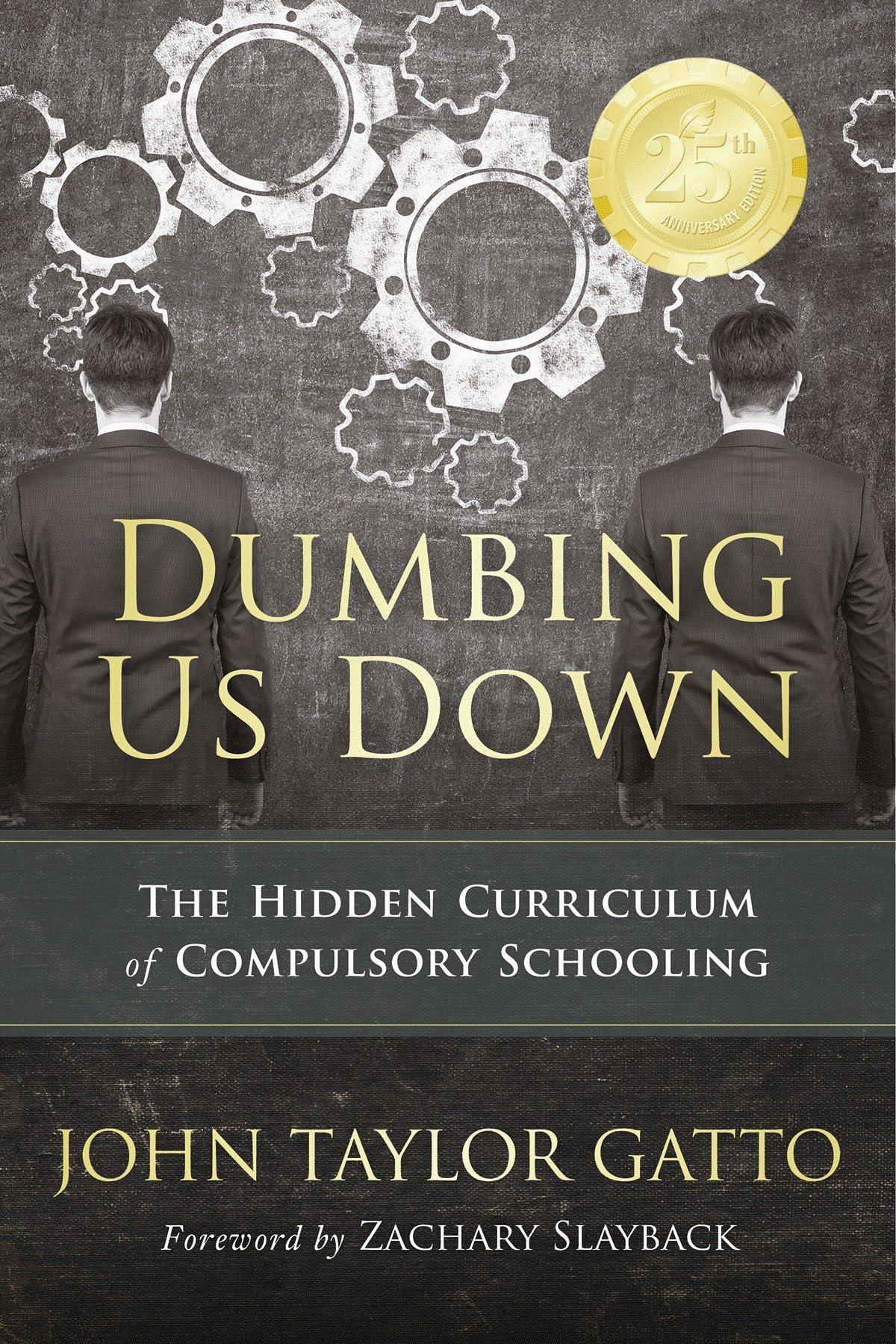
John Taylor Gatto
John Taylor Gatto
Watch (15 min): How Our Schools Thwart Passions
Watch (15 min): How Our Schools Thwart Passions
Dr. Peter Gray
Dr. Peter Gray
Articles About Self-Directed Education - From Peter Gray.
Articles About Self-Directed Education - From Peter Gray.
Self-Directed Education—unschooling and democratic schooling. [In this chapter of the Oxford Research Encyclopedia of Education, Dr. Gray defines Self-Directed Education, offer a biologically based theory of how it works, and summarize research into its effectiveness.]
Self-Directed Education—unschooling and democratic schooling. [In this chapter of the Oxford Research Encyclopedia of Education, Dr. Gray defines Self-Directed Education, offer a biologically based theory of how it works, and summarize research into its effectiveness.]
Democratic schooling: what happens to young people who have charge of their own education? [This study of graduates of Sudbury Valley School, conducted with David Chanoff, was career altering for Dr. Gray. The finding that adults who had grown up with no coercive schooling were doing well in the world led to all his subsequent research into Self-Directed Education and play.]
Democratic schooling: what happens to young people who have charge of their own education? [This study of graduates of Sudbury Valley School, conducted with David Chanoff, was career altering for Dr. Gray. The finding that adults who had grown up with no coercive schooling were doing well in the world led to all his subsequent research into Self-Directed Education and play.]
Patterns of age mixing and gender mixing among children and adolescents at an ungraded democratic school. [In this study, Jay Feldman and Dr. Gray assessed the degree to which students of different ages and genders interacted with one another, at the Sudbury Valley School, and the contexts in which they did so.]
Patterns of age mixing and gender mixing among children and adolescents at an ungraded democratic school. [In this study, Jay Feldman and Dr. Gray assessed the degree to which students of different ages and genders interacted with one another, at the Sudbury Valley School, and the contexts in which they did so.]
Playing in the zone of proximal development: qualities of self-directed age mixing between adolescents and young children at a democratic school. [In this study, involving many days of observations at Sudbury Valley School, Jay Feldman and Dr. Gray focused on naturally occurring interactions between older and younger students and what the students seemed to learn from such interactions.]
Playing in the zone of proximal development: qualities of self-directed age mixing between adolescents and young children at a democratic school. [In this study, involving many days of observations at Sudbury Valley School, Jay Feldman and Dr. Gray focused on naturally occurring interactions between older and younger students and what the students seemed to learn from such interactions.]
Former students’ evaluations of experiences at a democratic school: Roles of the democratic processes, staff, and the community of students. [In this survey, Gina Riley, Kevin Curry-Knight and Dr. Gray asked alumni of the Hudson Valley Sudbury School to described the roles of the democratic processes, the adult staff, and free interactions with other students in their education.]
Former students’ evaluations of experiences at a democratic school: Roles of the democratic processes, staff, and the community of students. [In this survey, Gina Riley, Kevin Curry-Knight and Dr. Gray asked alumni of the Hudson Valley Sudbury School to described the roles of the democratic processes, the adult staff, and free interactions with other students in their education.]
The challenges and benefits of unschooling according to 232 families who have chosen that route. [In this survey Gina Riley and Dr. Gray asked parents in unschooling families how they defined unschooling, why they chose unschooling, and the benefits and challenges of unschooling for themselves and their children.]
The challenges and benefits of unschooling according to 232 families who have chosen that route. [In this survey Gina Riley and Dr. Gray asked parents in unschooling families how they defined unschooling, why they chose unschooling, and the benefits and challenges of unschooling for themselves and their children.]
Grown unschoolers’ evaluations of their unschooling experiences: Report I on a survey of 75 unschooled adults. [This is first report on a survey that Gina Riley and Dr. Gray conducted of grown unschoolers. They present their views of their experiences as unschooled children and teens.]
Grown unschoolers’ evaluations of their unschooling experiences: Report I on a survey of 75 unschooled adults. [This is first report on a survey that Gina Riley and Dr. Gray conducted of grown unschoolers. They present their views of their experiences as unschooled children and teens.]
Grown unschoolers’ experiences with higher education and employment: Report II on a survey of 75 unschooled adults. [This is the second report on a survey that Gina Riley and Dr. Gray conducted of grown unschoolers. They describe their experiences with higher education and employment as adults and how unschooling may have affected these.]
Grown unschoolers’ experiences with higher education and employment: Report II on a survey of 75 unschooled adults. [This is the second report on a survey that Gina Riley and Dr. Gray conducted of grown unschoolers. They describe their experiences with higher education and employment as adults and how unschooling may have affected these.]
Editorial: What is self-directed education and why is now the time for it to take wings? [This precedes articles in a special issue of On the Horizon dealing with aspects of Self-Directed Education.]
Editorial: What is self-directed education and why is now the time for it to take wings? [This precedes articles in a special issue of On the Horizon dealing with aspects of Self-Directed Education.]
More Child-led & Self-Directed Learning:
More Child-led & Self-Directed Learning:
"Child-led and interest-inspired learning, home education, learning differences, and the impact of regulation" discusses how child-led learning, a core aspect of unschooling, leverages children's intrinsic motivation and capacity for self-directed learning, leading to personalized and effective educational experiences.
"Child-led and interest-inspired learning, home education, learning differences, and the impact of regulation" discusses how child-led learning, a core aspect of unschooling, leverages children's intrinsic motivation and capacity for self-directed learning, leading to personalized and effective educational experiences.
Project & Passion Based Learning:
Project & Passion Based Learning:
The study "Sparking Passion: Engaging Student Voice through Project-Based Learning in Learning Communities" argues that PBL, which centers student voice and culturally responsive curriculum, can ignite student passion for problem-solving real-world issues, leading to increased motivation and engagement.
The study "Sparking Passion: Engaging Student Voice through Project-Based Learning in Learning Communities" argues that PBL, which centers student voice and culturally responsive curriculum, can ignite student passion for problem-solving real-world issues, leading to increased motivation and engagement.
Research titled "This School is Made for Students: Students' Perspectives on PBL" explores biology students' perceptions of their PBL experiences, finding that PBL positively influences student agency, self-efficacy, and overall learning experience, as it allows students to engage deeply with content through authentic tasks.
Research titled "This School is Made for Students: Students' Perspectives on PBL" explores biology students' perceptions of their PBL experiences, finding that PBL positively influences student agency, self-efficacy, and overall learning experience, as it allows students to engage deeply with content through authentic tasks.
The dissertation "Passion-Based Learning: An Investigation into a Project-Based Learning Curriculum Model in an Alternative Education Program" investigates the factors influencing the design and implementation of a PBL curriculum within an alternative education setting. It provides insights into how PBL can engage students by connecting learning to their personal interests.
The dissertation "Passion-Based Learning: An Investigation into a Project-Based Learning Curriculum Model in an Alternative Education Program" investigates the factors influencing the design and implementation of a PBL curriculum within an alternative education setting. It provides insights into how PBL can engage students by connecting learning to their personal interests.
The study "Promoting Passion-Based Learning as a Solution of Improving Creativity in English Classroom" explores how passion-based learning can enhance creativity in English language classrooms. By allowing students to pursue their interests, the approach fosters meaningful learning experiences and improves language skills.
The study "Promoting Passion-Based Learning as a Solution of Improving Creativity in English Classroom" explores how passion-based learning can enhance creativity in English language classrooms. By allowing students to pursue their interests, the approach fosters meaningful learning experiences and improves language skills.
In "The Role of Passion in Learning and Teaching," the authors examine how passionate teaching influences effective learning. The study highlights that teachers' enthusiasm can ignite students' passion for learning, leading to improved educational outcomes.
In "The Role of Passion in Learning and Teaching," the authors examine how passionate teaching influences effective learning. The study highlights that teachers' enthusiasm can ignite students' passion for learning, leading to improved educational outcomes.
Alternative Education:
Alternative Education:
The article "Alternative(s): Better or Just Different?" critically examines the structure of alternative education. It discusses how alternative education serves as an umbrella term for various educational practices that deviate from traditional schooling, aiming to cater to diverse student needs.
The article "Alternative(s): Better or Just Different?" critically examines the structure of alternative education. It discusses how alternative education serves as an umbrella term for various educational practices that deviate from traditional schooling, aiming to cater to diverse student needs.
"The Complex and Contradictory Nature of Alternative Education" highlights the enduring influence of social interactions on educationally marginalized students' beliefs. It acknowledges that alternative education can offer supportive environments that traditional settings may lack
"The Complex and Contradictory Nature of Alternative Education" highlights the enduring influence of social interactions on educationally marginalized students' beliefs. It acknowledges that alternative education can offer supportive environments that traditional settings may lack
Play:
Definition of play. [Dr. Gray describes how play has been defined by researchers and offer my preferred definition.]
What exactly is play and why is it such a powerful vehicle for learning? [Dr. Gray identifies the defining characteristics of play and explain how each characteristic contributes to play’s power.]
Evolutionary functions of play: practice, resilience, innovation, and cooperation. [Dr. Gray reviews research literature concerned with the roles of play in the survival and reproduction of mammals, including humans. He suggests that play servers four evolutionary functions.]
Risky play: why children love and need it. [Dr. Gray reviews the evidence that self-chosen risky play helps children (and other young mammals) develop courage and resilience.]
The decline of play and the rise of psychopathology in childhood and adolescence. [Dr. Gray summarizes evidence that over the past half century children’s opportunities for play have greatly declined and contend that this decline is a cause of the huge increase in mental disorders in young people over these same decades.]
Playing in the zone of proximal development: qualities of self-directed age mixing between adolescents and young children at a democratic school. [In this study, involving many days of observations at Sudbury Valley School, Jay Feldman and Dr. Gray focused on naturally occurring interactions between older and younger students and what the students seemed to learn from such interactions.]
The special value of age-mixed play. [Dr. Gray review research indicating that play involving children who differ considerably in age is more nurturing, less competitive, more creative, and more conducive to learning than is play among children very similar in age.]
Studying play without calling it that: humanistic and positive psychology. [Dr. Gray's thesis here is that much of what humanistic and positive psychologists study and write about properly falls under the category of play, but they avoid that four-letter word.
The value of a play-filled childhood in development of the hunter-gatherer individual. [Hunter-gatherer children play freely “from dawn to dusk” in age-mixed groups. Dr. Gray describes how such play seems to contribute to their development as highly resilient, courageous, mentally healthy individuals.]
Public libraries as centers for play: A survey and case examples. [In this survey we learned how libraries, through installing maker spaces and other means, are providing young people with opportunities for self-directed playful activities.]
Play is nature's way of teaching cooperation. Here Dr. Gray presents evidence that a major function of play, in animals as well as humans, is to promote cooperation and bonding
Research comparing homeschooling and traditional classroom education reveals notable differences in academic performance and future success.
Play:
Definition of play. [Dr. Gray describes how play has been defined by researchers and offer my preferred definition.]
What exactly is play and why is it such a powerful vehicle for learning? [Dr. Gray identifies the defining characteristics of play and explain how each characteristic contributes to play’s power.]
Evolutionary functions of play: practice, resilience, innovation, and cooperation. [Dr. Gray reviews research literature concerned with the roles of play in the survival and reproduction of mammals, including humans. He suggests that play servers four evolutionary functions.]
Risky play: why children love and need it. [Dr. Gray reviews the evidence that self-chosen risky play helps children (and other young mammals) develop courage and resilience.]
The decline of play and the rise of psychopathology in childhood and adolescence. [Dr. Gray summarizes evidence that over the past half century children’s opportunities for play have greatly declined and contend that this decline is a cause of the huge increase in mental disorders in young people over these same decades.]
Playing in the zone of proximal development: qualities of self-directed age mixing between adolescents and young children at a democratic school. [In this study, involving many days of observations at Sudbury Valley School, Jay Feldman and Dr. Gray focused on naturally occurring interactions between older and younger students and what the students seemed to learn from such interactions.]
The special value of age-mixed play. [Dr. Gray review research indicating that play involving children who differ considerably in age is more nurturing, less competitive, more creative, and more conducive to learning than is play among children very similar in age.]
Studying play without calling it that: humanistic and positive psychology. [Dr. Gray's thesis here is that much of what humanistic and positive psychologists study and write about properly falls under the category of play, but they avoid that four-letter word.
The value of a play-filled childhood in development of the hunter-gatherer individual. [Hunter-gatherer children play freely “from dawn to dusk” in age-mixed groups. Dr. Gray describes how such play seems to contribute to their development as highly resilient, courageous, mentally healthy individuals.]
Public libraries as centers for play: A survey and case examples. [In this survey we learned how libraries, through installing maker spaces and other means, are providing young people with opportunities for self-directed playful activities.]
Play is nature's way of teaching cooperation. Here Dr. Gray presents evidence that a major function of play, in animals as well as humans, is to promote cooperation and bonding
Research comparing homeschooling and traditional classroom education reveals notable differences in academic performance and future success.
Academic Performance:
Standardized Test Scores: Homeschooled students often outperform their public school counterparts on standardized tests. For instance, they typically score 15 to 25 percentile points higher than public school students on standardized academic achievement tests. Additionally, homeschooled students have been found to score 15 to 30 percentile points higher on standardized academic achievement tests.
College Entrance Exams: On average, homeschooled students score higher on college entrance exams. For example, they have been reported to score an average of 72 points more on the SAT compared to traditionally schooled students in the United States.
Academic Performance:
Standardized Test Scores: Homeschooled students often outperform their public school counterparts on standardized tests. For instance, they typically score 15 to 25 percentile points higher than public school students on standardized academic achievement tests. Additionally, homeschooled students have been found to score 15 to 30 percentile points higher on standardized academic achievement tests.
College Entrance Exams: On average, homeschooled students score higher on college entrance exams. For example, they have been reported to score an average of 72 points more on the SAT compared to traditionally schooled students in the United States.
Future Success:
College Graduation Rates: Homeschooled students tend to have higher college graduation rates. Approximately 67% of homeschooled students graduate from college, compared to 59% of public school graduates.
College Attendance: A higher percentage of homeschooled students pursue higher education. Approximately 74% of homeschooled students attend college, compared to 44% of public school students.
Future Success:
College Graduation Rates: Homeschooled students tend to have higher college graduation rates. Approximately 67% of homeschooled students graduate from college, compared to 59% of public school graduates.
College Attendance: A higher percentage of homeschooled students pursue higher education. Approximately 74% of homeschooled students attend college, compared to 44% of public school students.
Watch (10m): Schools & Media- Dumbing Our Children Down
Watch (10m): Schools & Media- Dumbing Our Children Down
Considerations
It's important to note that while these alternative educational approaches can yield positive outcomes, they require active involvement and support from educators and parents. The success of such methods often depends on the quality of implementation and the individual needs of the child. Additionally, some critics argue that without standardized benchmarks, it can be challenging to assess the effectiveness of these educational models comprehensively.
In summary, studies and educational philosophies suggest that children engaged in non-standardized, organic learning environments can achieve positive outcomes, including academic success, enhanced creativity, and improved problem-solving skills. However, the effectiveness of these approaches is influenced by various factors, including the level of support and resources available.
Considerations
It's important to note that while these alternative educational approaches can yield positive outcomes, they require active involvement and support from educators and parents. The success of such methods often depends on the quality of implementation and the individual needs of the child. Additionally, some critics argue that without standardized benchmarks, it can be challenging to assess the effectiveness of these educational models comprehensively.
In summary, studies and educational philosophies suggest that children engaged in non-standardized, organic learning environments can achieve positive outcomes, including academic success, enhanced creativity, and improved problem-solving skills. However, the effectiveness of these approaches is influenced by various factors, including the level of support and resources available.
Watch (12min): The Other Side of Cumpulsory Education
Watch (12min): The Other Side of Cumpulsory Education
Watch (12min): The Effect of Play of the Brain
Watch (12min): The Effect of Play of the Brain
Good Reads & Resources
Good Reads & Resources